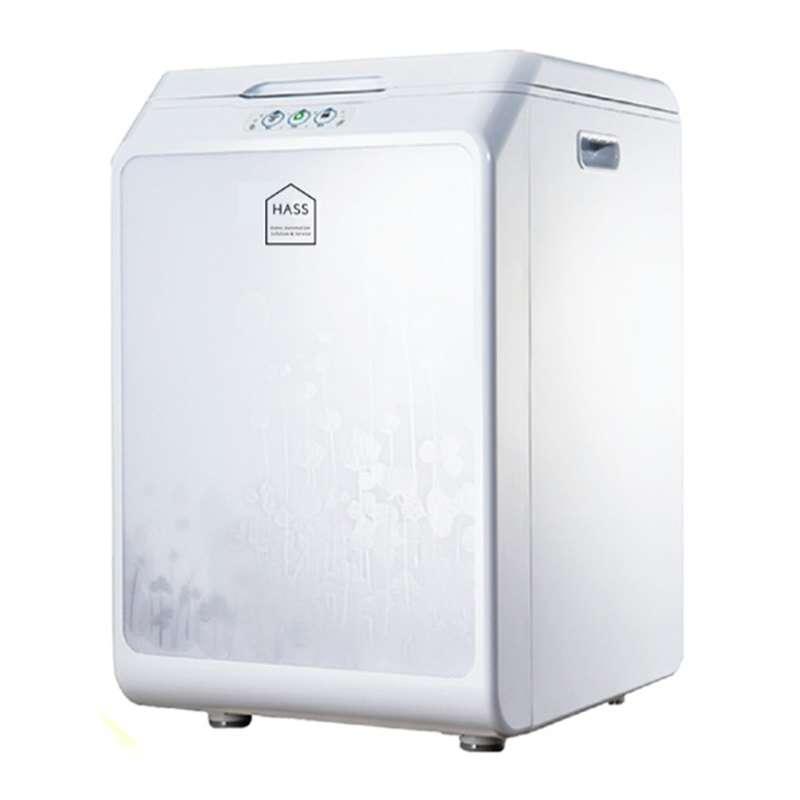
HASS Food Composter (Model HFC-250M)
A microbial food waste composter that transforms waste into organic fertilizer within 24 hours. Ideal for families of 4–8 people seeking a natural and sustainable solution.
Key Features:
- Natural Microbial System: Performs true composting, not just dehydration, producing fertilizer with standard NPK values.
- Low Running Cost: No need to replace expensive filters every 3 months, saving long-term expenses.
- Convenient Operation: No batch processing required; you can add food scraps or remove fertilizer at any time.
- Advanced Odor Control System: Confidently prevents odors and pests with UV, Ozone, and Metal Oxidation technologies.
- High Capacity: Handles 1–2 kg of food waste per day.
- Energy Efficient: Approximate electricity cost of just over 100 THB per month, even with 24/7 operation.
Specifications:
- Capacity: 1–2 kg/day
- Power: 60Wh (200V/50–60Hz)
- Dimensions: 38.5 x 43 x 58 cm
- Weight: 18 kg
- Warranty: Warranty by Seller
Frequently Asked Questions
Does it use a lot of electricity in Thailand? (Specifically addressing the 24/7 operation concern)
Fair but Focused Answer: No, it does not use a significant amount of electricity, even when running 24/7. The HASS HFC-250M is designed with energy efficiency in mind. It operates on a low-wattage system, similar to a small LED bulb. Based on typical Thai electricity rates (฿4-5 per unit), the estimated monthly cost for continuous operation is only between ฿30 to ฿60. This is a minimal expense for the convenience of daily food waste disposal and reduction.
Can I put hard waste like chicken bones or durian seeds in this model?
Fair but Focused Answer: No, you should not. The HASS HFC-250M is not designed to process very hard, dense materials like cooked chicken bones, large beef bones, or durian seeds. Attempting to compost these items can damage the internal grinding mechanism and void your warranty. For best results and machine longevity, stick to typical kitchen scraps: fruit/vegetable peels, coffee grounds, eggshells, small fish bones, and leftover cooked food (without large bones). For hard items, traditional disposal or municipal composting is recommended.
What is the output like? Is it real fertilizer or just dried waste?
Fair but Focused Answer: The output is a dry, soil-like humus that is a valuable soil amendment. It's important to understand the distinction:
- It is not a ready-to-use, nutrient-rich fertilizer like you would buy in a bag. The primary function is rapid decomposition and volume reduction.
- It is a fantastic compost starter or "compost booster." The output is teaming with beneficial microbes. When mixed into your garden soil or added to a traditional compost pile, it dramatically accelerates the process of creating rich, fertile humus.
- The result is odorless, dry, and significantly reduced in volume (by about 80-90%), making it easy to handle and store.
About HASS (Raakdin): You can use this appliance with confidence, backed by a strong 2-year warranty and accessible local support and service centers here in Thailand for any maintenance needs.